This month’s blog I’m handing over to the brilliant Kate Fox. As with most of us who are disabled and then get diagnosed with Breast Cancer, they have quite a story to tell!
Alt Text: Kate, a white non-binary person with round, black-framed glasses is taking a selfie and smiling at the camera. They’re wearing a checked shirt and a black baseball cap.
I’m Kate, and I’m jumping into write a guest post thanks to a very kind invitation from Suzanne.
I was somewhat unexpectedly diagnosed with breast cancer in April 2022, and this is a reflection on my experience.
I live in Manchester, and my family and I had moved house the year before my diagnosis – when our city was still under a lot of COVID restrictions. I worked for a large arts organisation, and things were very busy, so by early 2022 I was definitely feeling tired and emotional!
I had some nagging aches and pains in my chest. When they didn’t go away, I decided to take advantage of our new GP surgery where it was much easier to get an appointment than the one in our old neighbourhood.
The GP was reassuring – she was pretty sure this was nothing to worry about, but she referred me to the hospital just to check.
It’s important to note here that I’m nonbinary and disabled, so my first trip to the breast clinic was bound to be an adventure. I’m too young to have encountered a mammogram before through national screening, so I traipsed off with considerable trepidation.
My sister, who’s a wheelchair user, had had a breast cancer scare the year before and ended up having an ultrasound scan straight away because the mammogram machine wasn’t accessible for her…this made me nervous about what contortions were going to be needed!
Being totally honest, on the day itself, I was less worried about the possibility of cancer than about the machine and the fact that I was clearly going to be expected to put on a pink robe, sit in a corridor for several hours and focus on a part of my body that I had some really complicated feelings about!
I got through it – again, the doctor that examined me first was reassuring. She even said, ‘I don’t think this is cancer’. There was a lot of sitting in corridors, and my wonky stance didn’t make the mammographer’s job any simpler, but we got it done. I went home, went back to work and tried to forget about the whole saga.
Cut to three weeks later, the middle of the school Easter holidays. I was with my partner and 7-year-old, walking back from a morning of enforced holiday fun / organised childcare. My phone rang and the hospital if I could be there in 45 minutes to get my results. My partner and I looked at each other over our kid’s head…we knew this couldn’t be a GOOD sign.
I left the family at our flat and rushed to get to the hospital. I found myself in a small room with a consultant and a Macmillan nurse (again, I didn’t take this to be a good sign). The doctor told me that they were all SO surprised when there had turned out to be a small lump and even more surprised it had turned out to be cancer.
He also asked why I’d come on my own, to which I thought ‘because you rang me 45 minutes ago in the middle of the school holidays, so the person I’d have brought needed to stay with my kid…’
The upshot was that my surprising cancer was eminently treatable, so the consultant soon trotted off, leaving me with the Macmillan nurse. She was great. She managed to move me to another consultant who had some experience working with trans and non-binary folks, which was brilliant (at least, it was brilliant while I was in her clinic – whenever I ventured into other bits of the hospital, people tended to forget about my gender identity, just as they tended to forget about my disability).
I was offered a slot for surgery soon after my diagnosis, which came as quite a surprise to my workplace. It was a huge scramble to tie up loose ends and get ready.
Once again, on the day of surgery, I was again more distracted by how/whether I would be asked to climb onto the operating table (I was, and it wasn’t easy) than about what was actually about to happen. I had a weird reaction to the anaesthetic that I think was disability-related, and it was only when this happened afterwards that I realised no-one had really talked to me about my access needs before the operation (and I, as we know, was quite distracted and not best placed to advocate for myself).
When I had my second surgery the following year, I had to have a psychological appointment beforehand. There was an opportunity then to note anything else you wanted the surgeons to know – so I used that to talk about my access needs.
It’s annoying that this wasn’t offered by default the first time round – especially because I was so knocked sideways by the speed of everything at that stage that all my professional knowledge (I’m an access consultant) went totally out of the window!
Recovering from surgery was slow. At first, I was cautious to set foot outside or walk anywhere – I was terrified of falling (which I normally do regularly) and landing with my elbows in the brand-new scars. I’ve cracked many a rib in this way before thanks to my close relationship with gravity, and I didn’t want to add that to my recovery! I acquired a new stick to reassure myself and eventually managed to go step by step round the block.
During my recovery, it felt like there was a lot of pressure to get involved with exercise. This was quite difficult for me – as a disabled person in a mainstream school I had terrible experiences with P.E. and I wasn’t keen to revisit it. I found Yoga for Cancer was a lifeline because I could do the sessions at home on Zoom, and skip or adapt anything that didn’t work for me.
Later, I joined a weight training group run by the lovely Carolyn Garritt. This was online again, so I could go at my own pace – and Carolyn was brilliant at suggesting adaptations for me. She even managed to connect me with some other folks in her community with neurological disabilities so we could compare notes.
I’ve managed to continue with weight training since having my second surgery and continuing hormone treatment, and while it’s sometimes been a struggle, it’s benefited my strength and challenged my (lack of) balance.
The other thing that cancer has done is improve my ability to advocate for my own access needs. I think this was in part because it felt like things I needed due to cancer were taken somewhat more seriously or urgently than other needs – which is daft, but did increase my confidence to ask for other adjustments.
I feel like I’m now in about my 4th different body in 5 years as I journey through hormone treatment, but it’s a body I know better than I did before.
Since starting on cancer treatment, I’ve had strange reactions to certain types of food, & it hasn’t always been the most pleasant of experiences!
Alt Text: A selfie pose of a white-skinned, middle-aged woman lazing on a large sofa, proposed up by cushions. The sun coming through the window is shining brightly on her face. She is wearing blue, tortoise shell glasses, a blue sweatshirt with a rainbow on it & a long, gold chain. Her hair is shoulder-length & curly, with a mix of grey, blond & brown colours. She is smiling.
Since starting on cancer treatment, I’ve had some really weird reactions with certain types of food, but in reality, my issues with food started long before I had cancer.
It was Dr Liz O’Riordan’s new book, ‘The Cancer Roadmap’ which gave me the idea to write about food as sometimes I feel that it dominates my life when it shouldn’t. Within the book, Liz writes about the importance of healthy eating & having fresh fruit & vegetables. I’m really strict on myself about getting the right amount of fresh food nearly every day. Since Lockdown, I’ve been having a weekly delivery of fresh fruit, veg & salad from the nearby Portobello Market. I eat whatever is in season which means that it’s less likely that the produce was freeze-dried & flown halfway across the world to reach my plate. It’s not too expensive every week & if I can’t eat full amounts that week, then I can make soups or juices in the blender. However, I’m disabled & need help to prepare & cook my meals. Like many disabled people, the council provides just enough hours for a Personal (Care) Assistant to come & bung a ‘ready meal’ into the microwave. Processed food is such a ‘no, no’ in a Breast Cancer patients’ diet. I’ve stated in my care plan for my Social Worker that I can’t eat ready meals & processed food, & when they dispute this, I have to bring out the scientific evidence. In all honesty, I’m lucky that I live with my partner who is a great cook. He supports me to maintain a healthy diet.
Yet I often wonder about other disabled people who live on their own & who have to follow strict diets for a variety of reasons. Also not everyone can afford to buy fresh food every day – according to ‘Statista,’ approximately 3.12 million people used a food bank in the UK in 2023 – 2024, & that’s an increase on the previous year. I can’t imagine that those statistics will decrease now that the Labour Party has committed to reducing PIP & other benefits. Food poverty is a serious risk to the nation’s health.
Many cancer patients will understand the experience of food tasting ‘off’ or not being able to eat a large amount due to nausea, sickness, a painful mouth and/or tongue, etc. I have increasingly bad issues with headaches, nausea & vomiting, & I take daily anti-sickness pills. I’ve always had a sweet tooth, but my pain medication seems to make that more acute. It’s a struggle to keep off the sweet stuff, especially chocolate (except that chocolate seems to give me headaches at the moment, so that’s a strange kind of blessing!) I’ve never been overly-large but I have put on weight that I can’t seem to shift. I know weight gain can be a side effect of cancer treatment & the menopause, but considering I feel sick 99% of the time, & don’t eat much, where is this weight coming from!
I can’t afford to gain a lot of weight as it makes it harder for me to move around in my wheelchair & also to stand & transfer with ease. Yet it can be harder to exercise when you’re disabled – something that I’ve covered in previous blogs with my guest writers Natalie South-Law & Miranda McCarthy. I’ll admit that I’ve been so tired recently that my swimming, gym & yoga plan has completely gone off the rails, but when I start my new work/life balance as a freelancer next week, it’ll be a golden opportunity to get back to exercising.
I’ve said that my issues with food go way back longer than when I was diagnosed with cancer. When I was a child, I’d hardly eat anything. I’d say that dairy milk made me feel sick, yet I was forced to drink it by my teacher (yes, I went to school in the days when each child had a bottle of milk to drink, daily!) I say that my stomach sometimes hurts after eating sandwiches or after eating lots of things on my plate. Having a stomach ache really put me off eating. There’s one infamous family story where my sister’s godfather teased me because I’d literally eaten one pea when we were eating at a restaurant on holiday.
The other memory I have is my classmates taking really small bites out of their sandwiches & then saying “This is a Suzanne bite.” I laughed along with them, it didn’t particularly hurt my feelings, but somewhere deep down I realised that I had a problem.
I was really scared of trying new foods & I always stuck to the same bland foods that I could tolerate. Fish made me throw up, so did eggs if they were on their own, such as boiled or scrambled eggs. I have another story involving being sick from food – this time from eggs in hospital where the nurses went against my mum’s advice & fed me boiled eggs for breakfast. I threw them back up again on the physio’s practice mats a short while later. I never got eggs again.
In those days food allergies weren’t really considered, so I was just labelled a ‘fussy eater’ for most of my childhood which really irritated me. However, when I was 23, I had an appointment with a new consultant at the Spina Bifida (my disability) clinic. The consultant explained that I wasn’t imagining all of the problems that I had with food. In fact, he confirmed that I had something call GORD – Gastroesophageal Reflux Disease. Basically acid from my stomach leaks up into my gullet. It’s basically heartburn & having a permanent sour taste in my mouth. Ah, ha! I had my answer why a lot of things, including water, tasted metallic! It causes other unpleasant issues as well but I’ll leave you to google them! Another reason for the metallic taste was my Sleep Apnoea – it’s only mild but I basically my sleep is rather stop/start at night. Because my lungs don’t fully empty of carbon dioxide, I wake with a headache & a bad taste in my mouth.
I had no idea that I stopped breathing at night until my partner told me. I was shocked! I got referred to a specialist heart and lung clinic & I tried a CPAP machine for a while to help me breathe, but my Sleep Apnoea is very mild & my body couldn’t cope with the machine’s adjustment.
With all of this going on, no wonder I couldn’t eat large meals or spicy food! I went back to my family with all of this evidence & I have to admit that it gave me a lot of satisfaction to be able to tell them that I wasn’t a fussy eater, or that I was making all my pains up! I switched to a mostly dairy & wheat-free diet – taking soya milk in my tea & hot chocolate, & eating sourdough bread.
When I was diagnosed with cancer & started on my treatment, I had a nasty reaction to mushrooms – I was sick immediately when I tasted them. I phoned my sister in a panic – she told me not to worry as when she was receiving Breast Cancer treatment, mushrooms made her sick as well. I still can’t eat mushrooms now but I did eat another of the eggplant family the other day, aubergine, & that went ok! I’m trying to eat more vegetarian & vegan food but the mushroom allergy is making this a nightmare because a lot of these foods have mushrooms as a main ingredient. I laughed when I saw on social media that Dr Liz had found two Irish brothers with a scam, claiming to heal cancer patients with their special kind of mushroom – my sister & I are proof that all mushrooms do is make you sick on cancer treatment!
I also had a similar, nasty, sickness reaction to hummus & I don’t mind admitting that this made me cry. There was nothing that I liked better than hummus spread on a slice of sourdough but no, I had to stop having that!
During my last bout of COVID-19, I lost my sense of smell & taste. My taste came back a month later & my smell came back 5 months later – it was such a strange sensation. I feel that COVID-19 didn’t help my taste situation in the long term & when combined with the cancer, no wonder I’m having such a nightmare with food.
Sometimes potatoes taste sickly sweet. Croissants give me very bad nausea, so I’ve stopped having them. Lemon in water helps with digestion & improves the taste. I try not to eat my main meal (or anything) after 7pm. Both decaf & caffeinated tea taste bitter & in the mornings, I can’t drink tea on an empty stomach. I eat fruit with lunch or at my early evening meal, otherwise this makes me sick. I can’t have oranges or associated juices as they burn my stomach. I have to be mindful of cucumbers, but I can’t give them up entirely as they’re my favourite sandwiches! I don’t often drink fizzy drinks.
You see, all of this is so random, but some of it might not last forever as my sister can eat mushrooms & a few other things now that she has stopped her treatment.
I’ve taken quite a lot of advice over the years on my diet & this is what works for me:
Eat what you can manage
Think healthy foods first
Juice if you can’t eat
Batch cook to combat fatigue
Buy ‘pre-cut’ veg & fruit to save your energy
Have your main meal before 7pm in the evening
Eat 4 smaller meals instead of 3 large meals
Search for healthier food swaps on the NHS website
Make your own takeaways (‘fakeaways’!)
I realise that I’ve used a lot of medical terms in the blog, so here’s some links to give you more explanation:
On 10th March 2025, it’ll be five years since I got diagnosed with Breast Cancer. But how am I now?
Painting by Suzanne Bull MBE
Alt Text: A self-portrait in cartoon-style, painted in acrylics. A pale-skinned woman is wearing brown sunglasses, a blue & yellow face mask & a blue jumper. She has long, curly brown, copper & white hair. She holds up a white & grey pill box. There is a slogan painted in white capitals across the lower third of the painting. It says “Yes I am popping pills.” The background colour is yellow.
Before I continue with the rest of the blog, I just wanted to acknowledge that I’m posting on the COVID-19 National Day of Remembrance in the UK. The pandemic exposed the inequalities & the injustices of this world, with the most vulnerable & poorest communities losing their families & friends. In the UK, two thirds of deaths from COVID-19 were disabled people, which makes me very angry, & for as long as I live, I’ll be making sure that no one forgets this, or forgets our family & friends who passed. I got diagnosed with #BreastCancer just before the UK went into #Lockdown. I was placed in the CEV (Clinically Extremely Vulnerable) group. My Breast Cancer surgeon, being of Asian heritage & in his 60’s, wasn’t given any PPE for his department at the beginning of the pandemic. All this makes it even more remarkable that I’m still here to talk about #BreastCancerAndDisabledPeople
On the 10th March 2020 me, my partner Stephane, a Breast Cancer nurse & a Breast Cancer surgeon, sat in an airless room with no windows, a neon striplight, a couple of semi-comfy chairs & a box of tissues. The surgeon said, “I’m sorry, you have Breast Cancer” & I was plunged into one of the most mind-bending experiences that I’ve ever had.
Fast-forward five years & on the 10th March 2025, I’ll be sitting at my little wooden desk in the lounge, working out the last days of my notice at the charity that I founded 25 years ago – Attitude is Everything. In many ways, it’ll be just another day, but in so many ways, it won’t. With each year that passes, I’m grateful to my surgeon & oncologist at Charing Cross Hospital in West London for keeping me NED (No Evidence of Disease), & my Breast Cancer nurse for keeping me sane.
But the fifth year is hard for me because a lot of the people who were diagnosed at the same time as me will be finishing their five-year course of treatment. I’m not finishing. I still have another five years to go if it still continues (fingers crossed) on the same trajectory. I’m on a longer treatment plan than most people I know & although I’m grateful that it keeps me alive, it takes a toll on my body & my mind.
I mentioned that I’m stepping away from my dream job which has become a vocation & a lifestyle over the years. After all the business with my kidney stone towards the end of last year, & my partner getting so ill with flu, we (Stephane works with me) decided to bring our tenure at Attitude is Everything to an end. It’s both a sad & happy time. I’m sad because I’ve loved my job over the years. I felt that I hadn’t quite achieved everything that I wanted to do, even though I’ve achieved so much. But I’ve learnt that there is always lots to do & the work will always be there for someone else to pick up & take forward. I’m happy about leaving because for the first time, I’m prioritising my health & wellbeing. It really is a ‘first’ for me & I’m proud of myself. I’ll still be working – I’m going to freelance instead – but it’ll be a chance for me to take work at a slower pace. I’ve got lots of ideas of projects & people / organisations who I want to work with. It’s like starting afresh. In some respects, it feels a lot like when I finished the most active part of my cancer. I was desperate to get back into living.
I’m not ready to talk about working & cancer; that’s a subject that I haven’t been able to write about with any eloquence, but it’s probably a subject that I should write about at some point in the future.
I haven’t given myself much space in this blog to reflect over the past five years except to say that I’ve coped much better than I ever thought I would. I went to a talk by the war correspondent Benjamin Hall who was badly injured in a missile attack whilst reporting in Ukraine at my local bowling club a couple of weeks ago. He talked a lot about the resilience of the human mind & body that just seems to come out of nowhere, but that spurs you on to survive & move forward with your life. I related to so many of the emotions & feelings that he spoke of. (I’m not, of course, relating my experience to one of being terribly injured in conflict, Benjamin is an exceptionally brave man, I’m just trying to highlight the coping mechanisms that we both adopted).
I feel grateful that I’ve been able to articulate my experience. I hope that other disabled people don’t feel alone in their diagnosis as a result of me opening my heart. As I sit here today, writing at my desk, I’m at a good stage of my life. I still have my flat which has been newly decorated. I’m keeping my body healthy by going to yoga, & my mind healthy by taking part in Writing For Wellbeing sessions. I’ve continued to make art – one piece ended up on Channel 4’s Grayson’s Art Club (!) & I still make work with all the people that I first met during the Expressive Art online sessions with Maggies’ Centres West London. I’m still going to gigs (festivals not so much as it’s too tiring for me at this current time) & I often have the pleasure of spending time with my dad, & my other brother & sister as we watch our younger brother performing in the band @EvolutionOfFisherman. I co-authored the chapter on disability and Breast Cancer for ‘The Complete Guide to Breast Cancer’ by Dr Liz O-Riordan & Professor Trisha Greenhalgh, & I also wrote a brief piece on survival for a book put together by my friend & Breast Cancer survivor Phil Aldersson called ‘Someone’s Survival Guide’ full of stories by those living with, & beyond Breast Cancer to help their peers. I’m modelled for Breast Cancer Now’s The Show in 2023 & made so many friends (now that was fun). I’m lucky enough to have connected with other influencers & bloggers about Breast Cancer, the (dreaded) #Menopause – including Nancy Stordhal, India Fisher, John Dabell & Jon Chappell.
My friends have remained close, even if I don’t see them as often as I want to due to fatigue. And me & Stephane are still together – we seem even closer now.
I might have a walking frame, I might have cut down on my long-distance driving, I might go to bed at 8.30 most nights, I might be having a nightmare of a menopause & I might be popping pills to get through the day & night, but my annual mammogram in January 2025 was clear of cancer & so was the X-ray on my left knee (yes, another #Scanxiety moment!)
Happy International Women’s Day & month to everyone. Into 2025 I go with a calmer mind!
For my January 2024 blog, I’m reissuing the first blog that I wrote about my Breast Cancer experience. It’s the piece that kickstarted ‘The Musings of Spu’ blog in December 2020. I’ve also reached the milestone of the 50th blog!
Trigger Warning: The blog discusses many issues including the pandemic, medication, Breast Cancer treatment & aspects of difficult decision-making which some people will find distressing.
Alt Text: A white-skinned wheelchair user on a festival accessible viewing platform in the dark, with other fans standing & sitting on fold-up chairs around her. She is wearing purple glasses, a black puffa jacket, a pink, glittery scarf, black leather gloves, a woolly hat in pink & green, jeans & a white & red cross-body bag. Her eyes are closed & her mouth is open because she is shouting with joy. She raises her arms up into the air.
I want to take this opportunity to thank you all for your kindness & encouragement along the way. I’ve made some edits to the blog as being new to the blog sphere back then, I made a lot of mistakes in spelling & grammar. My first blog disappeared from my site when I was re-organising – again, another mistake because I was learning how to use wordpress. I also have a lot more readers now who might not have read my first blog, so this is for them. And for me, this is a point of reflection on how far I’ve come over nearly five years. So, here’s “I hate staying in.”
I turn 50 in less than a week. For the first time in my life, I find myself excluded from society.
Given the choice, I’d go out every single night of the week. If you were to describe me as a professional lush, I wouldn’t be at all offended. My career revolves around my social life.
I work in live music & the creative industries. It’s brilliant. There are at least three events a week & I’m never short of a weekend invitation. But on 13th March 2020 my life came to an abrupt halt. It wasn’t only because of COVID-19. I was diagnosed with Breast Cancer & because I already have an impairment which restricts my lungs, I was immediately placed into the “extremely clinical vulnerable” category. I’ve been physically disabled all my life & yet I’ve never thought of myself as “vulnerable.”
The Breast Cancer Team rang me to tell me to stay in for the foreseeable future. Typically, I insisted that I went out “just one more time.” My brother was playing a gig at The Vaults with ‘Cyro & the Drag Tingz’ & as I was the only family member with a ticket, I didn’t want to let him down. 13th March 2020 turned out to be my best & last true party night of 2020.
As a small kid, I didn’t stay home. I’d sit on our stairs, waiting for the neighbourhood to come calling, & then we’d go out in a big gang over the bridle path to create dens. My mum called it “raking the streets.”
I didn’t stay in as a teenager either. At 16, my Disability Allowance came directly to me. Every month, I’d rush up to the Post Office where I was handed a fat bunch of banknotes. I’d meet my best friend at the station, & we’d jump on the train, hurtling away from staid suburbia & into the chaos of the city. All my allowance was spent in one hit in all the little independent record shops around Soho.
The best time of my life was the academic year of 1991 – 1992. I deliberately chose languages at degree level, so I’d get six months living in France & Germany. Our lecturers advised us to “get to the heart of the culture & the people.” There were many bars in Toulouse, Nice, Marburg, Frankfurt, & Cologne in which I could fully immerse myself in culture!
For 30 years I’ve partied my life away & now I’ve been told to stay in. Who in their right mind would want to do that? Why would I want to stay home when there are so many beautiful bands out there, so much raving to do, so many coffee shops & pubs in which I could sit & put the world to rights with my friends?
Also, who wants to restrict themselves to mixing with six family members & friends? I’ve got friends & family all over the world. When I was newly diagnosed & subsequently going through treatment, I needed actual human contact from those I love. All physical human contact had to come from my partner, Stephane who I live with. That’s an enormous strain on a loved one; he’s also isolating with me.
#LockdownOne – although it’s all one big old #Lockdown to me – largely passed me by. My lumpectomy (cancerous breast lump removal) was delayed for a few months because of COVID-19. The reason for the delay wasn’t just the risk of infection, it was also the lack of available ventilators. Having any kind of general anaesthetic is risky for me & as the operation’s duration was 90 minutes, a ventilator & a bed in ICU was on stand-by.
I’ll never forget the call to inform me that my operation had been cancelled. I was desperate; I ended up having a bizarre argument about, god forbid if it ever came to it, I’d rather die of COVID-19 than of cancer, because COVID-19 might be the quicker option. (I was fuelled by the fear of watching my mum slowly die of secondary breast cancer over 30 years ago). (Sorry if some readers are offended by this part, it’s not my intention to cause distress or to belittle dying of COVID-19 – it’s devastating families – I’m attempting to convey the kind of impossible choice that I was faced with). The Breast Cancer Team insisted that I had options with my type of cancer & a small delay would be ok; they went on to warn that, if I caught COVID-19, I would probably die. I tried in vain to persuade them to operate without a ventilator on standby. I was told that this was out of the question because it wouldn’t be justifiable if I died during a routine operation. I was sent some Tamoxifen (oral medication) via a volunteer & I had lots of phone contact with Breast Cancer services in the intervening months who provided emotional support via virtual means or telephone.
About a week after my conversation about my operation & the lack of ventilators, the media started reporting that DNR (Do Not Resuscitate) orders had been placed on certain sections of UK community & that ventilators wouldn’t be given to those who it was felt, wouldn’t benefit from one or be certain to recover from COVID-19.
During those intervening months whilst I was waiting for surgery & treatment, I was suffering from extreme fatigue, migraines, chronic joint pain & concentration loss. As the Tamoxifen fought the cancer, my body basically shut down. I literally felt my bones grinding together as the medication attacked the cancer cells. The pain took my breath away. I went on extended sick leave for the first time in my long career. I wasn’t able to follow a plot on Eastenders & therefore I knew that I wasn’t fit to lead an organisation through a pandemic. I retreated into the garden to sunbathe, turning into a beached whale, stuffing my face full of crisps. I wasn’t worried about weight-gain as I knew that I’d lose it all post-surgery. I chose not to think about past times – memorable nights, & holidays, & stuff. It broke my heart to think about them. I often couldn’t listen to my favourite albums, especially ones that my friends had made; it was easier to block out my memories & pretend that I didn’t have this life before.
I quickly realised that there was no organised plan for disabled people who were supported at home with personal assistance. For the first couple of months, I sourced my own PPE at extortionate prices from the internet to keep me, my partner, my PA’s (personal care assistants) & any agency staff safe until my local DPO (Disabled People’s Organisation) thankfully intervened & organised regular PPE drops from the local authority. I took all sorts of extreme measures to safeguard my home against infection. This included replacing one care agency who complained because I wanted their staff to wear masks in my home. Rather patronisingly, it was implied in an email that I should be saving the mask supply for those who really needed them & that the agency had 28 years of expertise in public health, whereas I didn’t, so they knew better than me. My simple response was no mask equals no future contract. The implication that I was single-handedly depleting mask supplies incensed me. A few weeks after that email, the government guidance on mask-wearing changed – it was deemed essential in reducing the spread of infection.
There was no guidance on how disabled people were meant to interact with PA’s, except for the fact that we should limit the number of PA’s coming in & out of the flat as well as the number of interactions with them. That doesn’t make one bit of sense when you’re supported to live independently & need to have physical contact with your PA’s.
My partner & I adopted a routine of showering, washing our clothes & disinfecting everything that we’d taken to the hospital with us. He’d adopt the same routine when using public transport to go to work in safer periods, avoiding being in the same room as me for at least an hour after work. I was delighted when I got a face shield from the local authority because people would see me coming & cross the street in fear!
And then a slow, creeping feeling that my life was of less value to others started to take me over. I actually felt guilty about the great life that I’d built – a caring partner, a rented flat located in central London, a busy career, a busy social life. For the first time I felt society’s perception come crashing down on me – after all, don’t disabled people just stay at home, being cared for, going out in groups with other disabled people anyway? NO, WE DON’T JUST STAY AT HOME OR GO OUT IN ORGANISED GROUPS.
My fears were confirmed when the Coronavirus Act effectively wiped out the Social Care Act & and the Mental Health Act. The change which struck me was that the local authority could come & take over my care package. With a care package controlled externally, then the powers that be could have decided to place me in residential care instead of supporting me to live independently at home.
After my surgery (incidentally, I didn’t need a ventilator & I returned home after just one night in hospital) & a short spell of radiotherapy, I started to regain some strength, but I still felt pretty rough. My Linked In timeline was heart-breaking; many colleagues in the live events industry with whom I built trusted relationships with, were being made redundant ‘en masse.’ I felt powerless. I used the small amount of energy that I had to sign petitions, to donate to save venues & to share social media campaigns. In previous times I’d be at the heart of any campaigning, being really active, using my opinionated voice to its best advantage, & if I’m honest, feeling a little bit pleased with myself that the music industry was interviewing me as it’s “disability diverse” voice. Instead, I was in isolation. Silenced.
My disconnection to the outside world was steadily growing since March. I saw a few family & friends when it was safe to do so in the garden or in the local park. Yet days before meetup’s, the anxiety would build &, bizarrely, guilt, as if by meeting people, I was laying myself open to risk. Yet I needed all my family & friends to celebrate in person with me. I craved hosting a big ‘end of treatment’ party. I wanted to go out, I wanted to return to my life, I needed everything to go back to the way it was because it was hampering my recovery.
Don’t get me wrong, my family and friends were absolutely brilliant. I felt totally loved & supported – they called me, we had zoom parties, we all kept in contact on social media. I kept myself occupied by posting amusing memes & photos on social media to counteract all the negative news that was circulating. But after treatment had ended, I began to feel paranoid that all I was still talking about was cancer, because I had nothing else going on in my life.
I withdrew for a couple of months in the Autumn. I became overwhelmed with fear of the cancer returning before my annual ‘all-clear’ or convinced that my immune system was so weakened that I’d immediately catch COVID-19 & die if I stepped outside, & all that effort that had gone into surviving cancer would be wasted. I’ve only had one takeaway; abandoning it halfway through as the fear of catching COVID from an unknown source took over me. I dreamt about catching COVID & then being shouted at by those around me who said it was my fault. I worked out that it was the government guidance that was fuelling this paranoia. It’s because the guidance for extremely clinical vulnerable people is just that, guidance. It;s not compulsory. It says that we don’t have to follow it if we don’t want to – “it’s just advice.” I think that’s manipulative because it plays on the fact that if you don’t follow the advice & you get sick, then that’s down to your poor decision-making.
I started to dream about the friends that I hadn’t seen, about festivals, about gigs. I was so desperate that I ordered a couple of sequined capes off the internet – because clearly that’s ideal clothing for #Lockdown! One afternoon I lined up all my metallic nail polishes to remind me of my former ‘24-hour Party People’ life. I made an abstract painting out of metallic nail polish & eyeshadow & pillar box red lipstick so that my make-up wasn’t going to waste in the drawer.
I’d never, ever been scared to set foot outside the door, but there I was, terrified. Yet every other day I get ‘cabin fever’ & I’d have to escape into the fresh air. I felt like I needed to breathe. I’d whiz round the local area in my wheelchair, passing all the joggers that went round & round the park. But it’s harder to socialise outside in the winter months & I had to limit my meetup’s in the park because I got really sick from getting too cold.
Since March I’ve embarked upon a series of “projects” to keep me busy & to take my mind off cancer & COVID; making stuff – DIY (I painted all the radiators different colours), cooking new recipes & art. I started writing & gardening again. I invested in lots of books & vinyl.
During #LockdownTwo, it became like “Lord of the Flies.” There were calls from some sections of the public, fuelled by MP’s & certain sections of the media, that the “vulnerable should just stay home to protect themselves so the rest of society could get on with life.” Calls such as these are growing, not diminishing during #LockdownThree. Originally, I was going to publish this piece during Disability History Month (18th November – 18th December 2020) but I think RIGHT NOW is the time to publish. Should all that I’ve strived for, be taken away from me in a heartbeat? I AM THE PUBLIC! If we’re going to protect the NHS & society at large from being overwhelmed by this pandemic, then we all should be on #Lockdown. I’m also reminded of a past incident when I was caring for my Nan who had dementia. One day, on refusing to eat her dinner, she declared loudly, “well if it’s so good, you b****y eat it then!” I say to all those people telling me & other clinically vulnerable people that I should stay in #Lockdown – “if it’s so b****y good, you do it then!”
In the days before my birthday, I’m holding out for a vaccine. My lung specialist advised me that I should have it as soon as possible. She meant the end of December / early January. She wrote to my GP, who then rang apologetically to say that they wouldn’t be getting their first batch until the 4th January 2021, & I’d be in the second cohort of vaccinations. They assured me that they hadn’t forgotten me. I’ve heard the phrase “don’t worry, we haven’t forgotten you” a lot over the past eight months.
I’m desperate to have ‘the jab.’ I believe it’s the only way out when I see others around me calling for life to return to normal for those who aren’t ‘vulnerable.’ It appears to me that this is the only way in which I can protect myself & those closest to me.
Soon I need to return to my former life, to have physical human contact without laptop screens or phones. I need to jump around at live gigs, to be packing my bags for a festival weekend. If I can’t get back to this soon, I fear that I’ll just disappear into a murky hole in the ground.
Wishing all my blog readers a peaceful, restful, Merry Christmas! Thank you for your continued support, it means the world to me.
Alt Text: A selfie pose of a white-skinned, middle-aged man & woman in front of a Christmas Tree, & a cabinet with a record player & other hi-fi equipment. Shelves stacked with books, boxes & cd’s are on the walls behind them. They’re in a lounge. They’re dressed in Christmas colours, e.g. red & orange. The woman has a jumper with small flowers on it & a short red velvet jacket. They’re happy.
I think Christmas time has come around quicker this year because Stephane & I were ill for all of November – Stephane had flu, & I had (or maybe I still have it?) a kidney stone. The last month passed without us knowing much about it. Suddenly it’s December. Anyway, I thought it was time for happier content as my last blog was of a sombre nature.
Before I forget, apologies to my subscribers as you’ve been spammed a couple of times today. I’m creating some new pages & content for next year; e.g. Explainers – a place where I give some background information about my impairments, etc. Turning my lived experiences e.g. my annual mammogram, into case studies. Adding a resources & links page for further reading – incidentally, any of my cancer buddies blogging out there, especially about disability & Breast Cancer, please do let me know if you’d like your blog listed.
Ok, to Christmas. I know that Christmas & New Year aren’t always easy times for people. They aren’t easy times for me either. Yet I wanted to write about the things that make me smile about Christmas & New Year, because I’ve had such a rough 2024 healthwise.
December & January are busy times for me – it’s my nephew’s birthday, my sister’s birthday & most of my closest friends’, including my best friend’s birthdays, & it’s my birthday too! So there’s always a party to be had. In the last few years I haven’t always been able to get to celebrations, or have my own ones (I had a 50th Birthday Zoom party during the pandemic) but however we’ve all celebrated, it’s always been a lot of fun.
My sister’s birthday is very near to Christmas, so sometimes we’ve spent Christmas at hers & we’ve stayed over for a few days which has been really nice. It was magical when my nephew & nieces were really small, just like the lovely Christmas holidays that my sister & I spent in our home-town when we were kids.
Back then, the house was full of relatives. My Dad bought a full-size snooker table. It could barely fit in the front room along with the assorted tables & chairs, all at random heights & shipped in for the family lunch. It was the classic British Christmas – all the kids sitting at a small table together, but there was always one adult who had to sit on a small stool at the bigger dinner table! We weren’t allowed to watch telly at Christmas, we played games instead. We also had a piano in our front room & one of my Nan’s could play ‘by ear.’ It was extraordinary, she couldn’t read music at all. We’d sing the first few bars & she’d picked up the melody & chords from there. We used to sing all the old cockney songs (as most of my family were from East London) with a bit of Chas n’ Dave thrown in (non-UK readers, you’re going to get a surprise when you google this duo, lol!)
Moving on a few years, I used to always go back home for Christmas but sadly, as each relative passed, then Christmas wasn’t the same anymore & I went back less & less. One day, I hit upon the idea of spending Christmas on my own in a hot country. I’d heard that there was this particular hotel which had good access on Tenerife, so one year I decided to go. On the plane, I began to get nervous & wonder if I’d done the right thing. At the hotel reception, I recognised a friend of a friend, & it turned out that there was a whole bunch of people that were just hanging out together. They invited me to join them & I had so much fun. I have to be honest – there’s nothing like sunbathing around the pool in 25 degrees after Christmas dinner & then going clubbing into the wee small hours of Boxing Day. After that first trip, I went to Tenerife for many years for Christmas, New Year & my birthday, with the friends that I’d made there. On one of my birthdays, I went on a helicopter ride over Mount Tiede (the volcano) which was breathtaking.
I’ve also spent Christmasses & New Year in the snow with Stephane’s family – most of his family live in & around Paris. His family home was in a small village called Bonnelles & the first Christmas Eve that we stayed there, we opened our presents at midnight – this is the tradition across Europe. As I went to bed in the wee small hours, I could hear church bells ringing in the distance, for the end of Midnight Mass. The snow was gently falling. It made me cry.
I also loved going to choose the ‘Bouche de Noel’ – the Yuletide Log – from the local bakery. They were so beautifully made.
New Year’s is also a bit different in France. Families gather on New Year’s Day for a meal. It isn’t like the 3-day hangover that Britons usually do after their big New Year’s Eve celebrations!
These days, Christmas is an easy affair with Stephane & I. I don’t put the decorations up too early as I can’t be bothered to clean up around them! We’ve stopped doing presents for most of the wider family & friends, opting to see people & spend time with them instead. It makes Christmas financially viable & as you get older, you don’t need a whole lot of stuff. I try to be environmentally-friendly by making my own Christmas cards & I painted two wooden Advent Calendar Houses, one for me & one for my sister & the kids. However, even though we have a white reusable tree, I give in most years & get a real one. I think it’s more the act of us going to choose it together from Portobello Market a day or so before Christmas Eve, then bringing it home to decorate with pretty coloured lights & ornaments that we only used once a year.
When we’re at home, we have a half-French & half-English Christmas. If we’re at my sister’s for Christmas, she adopts some of that too to make Stephane feel loved. At home in London, we have an evening meal that consists of party food & delicacies, then we stay up until midnight. When the clock strikes, we open one present each. Christmas Day and Boxing Days are quite regular for us. We used to order all this fancy food from Marks & Spencer, & I’d go & collect it on Christmas Eve. But then everyone else had the same idea, & now the idea of choosing & then collecting my food in a big shopping centre packed with frantic Christmas shoppers makes me shake, lol. Now we have some basic stuff delivered from the supermarket, & a Christmas fruit & veg box from our local grocers on Portobello Road Market, & Stephane creates our meals. He is a BRILLIANT cook. I might make the desserts & cornucopias (German tradition – sweets & treats from a paper cone which is brightly decorated, hanging from the tree) depending on how tired I am. The cornucopias are always popular with family & friends. We do watch the telly – mostly films & ‘Christmas Specials’ but we also listen to a lot of music. We have some great Christmas albums – two are Dolly Parton, one is Phil Spector, another is Motown records, one is James Brown – you get the theme anyway. I always try & get in a walk in the common nearby after, but Stephane isn’t so keen on this, so I have to drag him out, lol.
If I was at home on Boxing Day, I used to have a party for family, friends & neighbours. Unfortunately a large shopping centre has been built nearby & no one can reach us now because the whole area is gridlocked. So Boxing Day is really a repeat of Christmas Day – food, drink, telly & record-playing.
This might make you laugh – Stephane & I still dress up in our fine clothes – sometimes we’ve even bought new outfits for the occasion! It doesn’t matter to me that we’re on our own. I dress up because Mum used to buy my sister & I new outfits for Christmas & our birthdays. That’s how I like to remember my Mum.
Then it’s Twixtmas – that period after Boxing Day but before New Year’s Eve that most people spend in a haze or forget that it happens. I guess I go & visit friends & family during that time. I’ll often see a show – last year I took Stephane to see Cinderella at The Lyric, Hammersmith – he’d never been to a Panto (Pantomime) before, despite living in England since he was five! I always got taken to a Panto when I was a kid, so I insisted that he come with me. He loved it! This year we’re seeing my brother in his Panto production – I’m so proud of him. It’s out of London, in Suffolk, so we’re taking the train there & back. (The production is ‘Pinnochio’ at the Red Rose Chain, Ipswich, Suffolk).
I’m not really fussed about going out on New Year’s Eve but Stephane & I still do if we get a chance. A couple of years ago our favourite club night, Whirly-Gig, had a New Year’s Eve celebration in a club just a short walk away from our home. It was glorious to be able to walk to the venue & back, dressed in our psychedelic clubbing clothes & our outlandish head-dresses, with our faces painted in vibrant colours & glitter.
The real reason that I don’t want a big New Year’s Eve is because my birthday is on 2nd January. I’m a total ‘Birthday Diva’, lol! I always set out to enjoy every moment of my birthday because I’ve lived far longer than the three days that the medics gave me when I was born. Sometimes I’ve had parties, especially if it’s a significant birthday number, & I’ve often shared the party with other friends whose birthdays are close by. Sometimes I’ve been out to see exhibitions & then to lunch. Sometimes I’ve had evening drinks. But in recent years, I’ve started going back to doing what I did on my birthday as a kid – going to see shows. On recent birthdays I’ve seen ‘Cabaret,’ & Matthew Bourne’s ‘Swan Lake’ & ‘Edward Scissorhands,’ but this birthday, I’m going to the Royal Opera House for the first time ever to see a show. I’m beside myself with excitement. I’m going to see a production of Hansel & Gretel.
I also like to go to a gig or two if I can on the run up to Christmas week. Stephane & I have discovered ‘Pete Tong’s Ibiza Classics’ where he plays with an orchestra. We’re going again for the third time in a couple of weeks. This time we’re going with more friends & my sister is coming along too. The o2 arena, London, is a magnificent place to host this night because the sound is so good. I always like to go onto the accessible platform at the back because I can look down & see everyone dancing & waving glo-sticks & lights. The scene spreads out before me like the dark, night sky. It’s breathtaking.
A couple of days ago, a friend of mine surprised me by taking me to see a special musical evening at the Roundhouse, Camden, London. It was ‘Mark Lanegan 60: A Celebration.’ The line up was incredible – Chrissie Hynde, Dave Gahan, Josh Homme to name a few. It was such a beautiful night.
And that’s what we want our holiday seasons to be; beautiful, magical, funny, enjoyable & restful.
Have a good one everyone!
Alt Text: A selfie post of a white-skinned, middle-aged white woman wearing a navy blue roll-neck jumper with silver glitter, silver jewellery, a badge with a robin on it & pink brown round glasses. She is sitting in front of a green fern Christmas Tree, lit up in coloured lights with baubles & other bright decorations. There are presents wrapped in Christmas paper, in festive bags, by the tree. There is a cabinet with a record player & other hi-fi equipment. She is smiling.
Today (Friday) the UK Parliament are voting on the ‘Terminally Ill Adults (End of Life) Bill’, or simply put, the Assisted Suicide Bill.
I’ve written an additional blog this month to highlight that legalising Assisted Suicide is dangerous for some communities.
Trigger Warning: I write from the heart & frankly here. Some of you will hate what I’ve written. Some of you will agree. Some of you will understand. In any case, I’m warning you but not apologising.
Alt Text: A selfie of a white-skinned middle-aged disabled woman wearing pink/brown round glasses, a black top & a red velvet Bolero jacket. She is smiling. She is in her bedroom, sitting in front of a green plant, a window with white Venetian blinds & white furniture.
Today MP’s have a free vote, in the UK Parliament, which means that they can vote with their conscience rather than following party lines. Apparently, for a lot of MP’s, the Assisted Suicide debate has generated the highest volume of interactions & correspondance that they’ve ever received on a single issue. The majority of the MP’s are first-time MP’s because of Labour’s sweeping majority from the summer’s election. They’ve only had 17 days to read, digest, interrogate, consult & do further research on whether the State can legally help their citizens to die. Make of that what you will.
Many of my disabled friends are protesting outside Parliament today whilst others, like myself, will be active on social media, presenting the argument that this Bill gives licence to terminate the lives of many disabled people & those living with conditions, who can, & who are entitled to, a full life if they have the right support in place.
I can’t help thinking that some MP’s who are voting yes have done it to save money for the NHS & Social Care. They’ve taken the easy way out. Some may have voted to ‘toe the party line’ & to put their political career before their constituents.
The Bill is being presented as having a limited scope & many safeguards, including from coercion. But that’s precisely what the Bill doesn’t have. I urge you to read the counter arguments set out by Paralympian Tanni Grey-Thompson, actors Liz Carr & Lisa Hammond, Guardian journalist Frances Ryan, Disabled People Against the Cuts, Not Dead Yet, Disability Rights UK, Scope & Inclusion London. Over 130 of the UK’s DPO’s (Disabled People’s Organisations, led for & by disabled people) are urging MP’s to vote against the Bill. It’s much more than ‘just a handful of disabled activists’ that are against the Bill, which has been implied in some quarters.
I haven’t given a summary of what they’ve said because they say it much more eloquently than I do.
So why don’t we trust the Bill? Why are we so against legalising Assisted Dying?
Here’s my personal take on it.
I’m a disabled person who has an impairment that can be terminal (in fact, I was given three days to live at birth – I’m now 53). Now I live with a cancer diagnosis which could also be terminal (please God that it never returns). You’d think that I’d be backing the Bill. WRONG! I’m actually terrified of the Bill becoming law. I feel sick when I think about it. I cried writing this.
I love life. I’m willing to do what it takes to live my life out to the (bitter) end. I don’t want to die at all. I don’t understand why people have to die. I think I have this view because my mum died when I was 16 & she said repeatedly that she didn’t want to die. The next close person to me that died was a university friend who passed from HIV-related illnesses. He didn’t want to die either. Seeing both my mum & my friend Paul cut down in their prime & wrenched away from me broke my heart forever.
Assisted Suicide/Assisted Dying Bills tend to start with a limited remit but the limited remit doesn’t stay that way for very long. In Belgium, the first disabled person to be euthanised was a disabled child. Yes. A child. In Canada, where they have MAID (appearing as gentle, helpful title but the acronym actually means ‘Medical Assistance in Dying’), a disabled woman complained to her local authority that it was taking too long for them to agree to put a ramp to her home. She said that she was becoming depressed & hopeless because of this delay – which is entirely understandable. The next call she got was from MAID asking her if she wants a place on the Assisted Dying programme. That isn’t understandable at all. See how quickly these things escalate?
If you watched Liz Carr’s recent BBC documentary ‘Better Off Dead?’ you would have watched a terrifying woman from MAID being interviewed by Liz & expressing great delight & pride in her job. Her job was to assess & then put people on an assisted dying path. She terrified me because it was obvious that she had some kind of ‘God / Messiah’ type complex. It seemed like she was ticking the ‘Yes I’d like to die’ box before her clients had started speaking. She was also disabled herself.
I’ve experienced coercion before: from a (thankfully now ex) family member. That person put pressure on a loved family member to give them money, change legal documents, etc. My loved one was very ill & vulnerable at the time. I’ve had two previous PA’s who were stealing money, jewellery & other items from me, but whilst it was going on, convincing me that I was misplacing or losing items. It was orchestrated to send me a bit crazy. It’s surprising how easy you can get caught up in coercion. I’ve never thought of myself as vulnerable, in fact, I think of myself as quite smart but it happened to me. Coercion is easy if the circumstances are ripe for it.
Then there’s the DNR (Do Not Resuscitate) stuff that gave me the idea of starting The Musings of Spu blog. To recap, I got diagnosed on the 10th March 2020 with Breast Cancer & my surgery was planned for two weeks later. On 13th March (yes, it was a Friday, da, da, DAAAA!) my Breast Cancer nurse called me to say that I should stay home for the foreseeable future because a global pandemic had arrived & that my surgery was cancelled with no future date given.
When I protested & said that they should do the surgery without a ventilator anyway (I was to have a ventilator on standby because I have restricted lung capacity), I was refused for the following reasons:
A) There was a lack of shortage of ventilators in the UK B) It was too dangerous for me to be taken into hospital because I was high-risk for catching COVID-19. And if I caught it, I wouldn’t be offered a ventilator because I was on a list of people who were deemed unlikely to survive COVID-19. That’s how I found out that I had a DNR placed on me without my knowledge.
Regular readers will know that I contracted COVID-19 three times & I wasn’t even hospitalised.
The judgement is alarmingly similar to me being given three days to live at birth. And totally incorrect.
Then there’s the question of me becoming a ‘burden.’ You hear it all the time don’t you, especially in the Assisted Suicide debate. “I don’t want to become a burden to my family.” But no one has to be a burden with the appropriate care support, access equipment & pain relief in place. I can enjoy an independent life because I have care support, access equipment & a treatment programme. But it costs the Local Authority money (it costs me money too, I pay my taxes, & even if I didn’t, being in a civilised society means that you care & support everyone in it!) Also I have to go through difficult & demeaning tests continuously in my life to qualify for care, equipment, etc, even though I’ll never get better.
Then there’s the quality of life issue. At my biopsy in February 2020, I was taken into a room afterwards & a (different to the phone call) Breast Cancer nurse started quizzing me about what I intended to do if it did turn out to be cancer. At first, I was really, really confused. I went into a long speech about the fact that I was going to take all the treatments offered to me because I loved life & my partner, I loved my friends & family, I have a meaningful job & other responsibilities, etc. As I was talking, it slowly dawned on me that I was having to justify my life to get treatment. It became clearer to me when she said, “You know, some people don’t bother with the treatment, because, you know, it’s all too much for them.” She trailed off when she saw my facial expression. I left her in no doubt that I wasn’t going to refuse treatment. But the thing that plays on my mind is does every Breast Cancer patient have the same type of conversation…?
Apart from fearing that I was going to die in the pandemic, I was also afraid of being taken away from my partner & put in residential care because the Coronavirus Act swept away all my entitlements under the Social Care Act & the Mental Health Act. The highest number of people that died in the UK from COVID-19 were disabled people. Remember the ‘ring of protection’ around care / residential homes that didn’t actually exist? And you ask me why I’m afraid of MP’s voting for the Assisted Dying Bill!
I believe that voting doesn’t come down to conscience for some MP’s, it’s about money, business & ideology.
It comes to me as no surprise that the life-extending drug for some Breast Cancer patients, Enhertu, was rejected for use in England for the second time by NICE. Neither am I surprised that there has been no real investment in effective pain management & palliative care medication over decades. There isn’t any investment in hospices either, in fact, most of them are just about hanging on through generous donations from the public. People can’t have a “good death” because the UK hasn’t given people the means to have a peaceful & pain-free death.
I admired the current Health Secretary for coming out & saying that he won’t be voting for the Bill. He was transparent about the fact that if the UK choses to fund Assisted Suicide, then other areas of the NHS can’t be funded. And there’s your answer to why Enhertu, effective pain management & hospices aren’t funded.
There are MP’s of all parties who have expressed concern that different communities will be disproportionately affected because of their protected characteristics if the Bill gets through. Others have outlined the crisis in palliative care & hospices & won’t back the Bill because they want the investment to go into this kind of end-of-life care.
I’m a bit late to the party on this one, but I’m currently reading Frances Ryan’s ‘Crippled. Austerity & the demonisation of disabled people.’ It’s been one hell of an emotional overload reading this book against the backdrop of current political messages; the same old troupes about the welfare bill being too costly, many people are lazy hence the drive to get disabled people into work. Rather than acknowledging that some disabled people are too ill to work but they’re equally deserving of a life with dignity though the consistent gaslighting of disabled people, they make disabled people feel guilty & portray them as ‘scroungers’ in public Isn’t that reason enough for me to be scared that if the Bill is voted through, then it won’t be long before I’ll start being coerced into taking the option of Assisted Dying because I’m just too damn expensive for society & too damn lazy to make a meaningful contribution.
At the end of 2015, it was made public that the UN (United Nations) was looking into State-led violations of disabled people’s human rights. It was done privately & confidentially to safeguard the disabled citizens & their families, protecting them as witnesses, & to secure the cooperation of the host country. It turned out that the UN were investigating Britain. In 2018 the UN declared that the British State was failing in its duties towards its disabled citizens in everything from housing, employment, education & social security.
There has been no attempt by our politicians to address or fully acknowledge the UN’s declaration in 2018, so I’m right to be afraid of what’s going to happen to disabled people if this Bill gets voted in. I regard it as a wider, calculated & targeted plan against disabled people.
There you go, I warned you that I was going to express frank opinions & that you might hate what I’m presenting!
At the end of October I had a nasty & very painful surprise! Thankfully, I’m recovering well (if a little slowly).
#TriggerWarning: this blog contains medical procedures & intimate details that some may find upsetting or embarrassing.
Photo Credits: Stephane Cony, left picture & Paul Bonham, right picture.
Alt Text: Two photos framed in one image. The left hand side photo is of a middle-aged, white-skinned lady, sitting on a blue plastic chair in a hospital waiting room, connected to a drip. She is wearing brown leopard-skin print pyjamas & pink wooly socks. She has messy, curly shoulder-length brown-grey hair with traces of pink dye in it. She looks very pale. She is smiling, raising one hand to wave whilst holding a tissue. The right hand side photo is of the same lady but she is looking much better, sitting in a restaurant. Her brown-grey-pink shoulder-length hair has been curled, & she is wearing a black, zip up tracksuit top with two white stripes on the arms, & a pink leopard-print sweatshirt underneath. She is wearing black-blue round glasses & she is smiling. She has a small jug of custard in one hand & on the table in front of her is a small, oval bowl with apple crumble in it.
I had a nasty shock at the end of October. I was getting ready for the day, intending to attend my annual check-up at the Adult Spina Bifida clinic at Chelsea & Westminster Hospital in London, when I suddenly felt a huge pain in the right hand side of my body. There was pain underneath my ribs that spread to my abdomen & around to my lower back. I was being treated for a UTI (urinary tract infection) which was lingering on despite me coming to the end of my antibiotics. I’d felt extremely tired whilst I was working away from home in Newbury, so I suspected something might be up.
But that morning I realised that I wasn’t able to go to the toilet & I started to panic. The pain was increasing at a pace. I started to violently vomit & I collapsed onto the bathroom floor. I was screaming in agony, even asking God to help me (I don’t know where that came from, I’m not religious at all!) I became very hot & I couldn’t bear wearing any clothes, so I underdressed there & then on the bathroom floor.
My boyfriend, Stephane, was really scared & he called 999 but the call-handler refused to send an ambulance out, even though she could hear me pleading for help & vomiting. It was wild! She advised Stephane to call 111! Incredible! I tried to get myself together but it was obvious that I couldn’t go in a taxi to hospital because I was vomiting everywhere. The driver would refuse to take me.
After about an hour of being sick & writhing around in pain on the bathroom floor – pain that came in wave after wave – I rang an ambulance. Because I sounded very ill & was struggling to breathe, this time the call-handler sent an ambulance. It arrived within 15 minutes with two very kind paramedics.
The paramedics could see how ill I was & they apologised for the first call-handler’s misjudgement. By this time, I was lying on my side in bed with a bucket beside me. The paramedics managed to get me up & did all the routine checks. They tried to give me some pain relief but I just threw it up. They got me dressed (from the left photo, I’d say they had great fashion sense!) in leopard-skin print pyjamas & some pink socks & prepared me for going to hospital in the ambulance. I asked one of the paramedics to check on Stephane as I could see he was close to tears, & she did which really helped him. I heard him say that he’d never seen me so ill before. I’d never felt pain like that & I’ve had many painful surgeries & procedures over the years.
The paramedics then helped me into my wheelchair & took me into the ambulance. Once inside, I transferred onto a stretcher. I was still being sick, it was awful for everyone. Stephane came into the ambulance with me. The pain was increasing.
Luckily the journey was quick. In no time at all, I was at Charing Cross A & E, an A & E that I know, which always helps. Once there, it was chaotic & full of patients – but A & E is always like this now in the U.K! There was a young guy refusing to be searched by the police & kicking off. To be honest, I was in so much pain that I nearly stood up & battered him myself to shut him up!However a nurse took my blood, so my needle phobia distracted me, & then I was moved into a bigger waiting room with more patients – & police (it was all kicking off on a Thursday morning!)
Unfortunately they didn’t have any beds so I ended up slumped across the seats. At one point, I was in so much pain that I kneeled down in front of the seats & laid my head on the seat.
Thankfully a nurse arrived to connect me to a drip for liquid paracetamol. That didn’t take away the pain, but it did calm me down.
I know this all sounds like carnage, but everyone who was there was so kind & respectful to me. As soon as I arrived, one of the doctors acknowledged how much pain I was in & one of my paramedics held my hand until she had finished handing over.
After a few hours & IV (intravenous) antibiotics, saline, fluid & pain relief, I’d stopped being sick & thankfully I started being able to wee once again.
Another consultant came along to take me into a cubicle so she could examine me. Unfortunately she wasn’t able to do much as the stomach pain hit me once again. The only way I could relieve it was to get on all fours on the hospital trolley. There were still no beds so I returned to the waiting room & my drip of fluids.
Time passed (I don’t know how long), then I was taken with my bag of fluids (some of you might have seen that photo on my social media, with me pretending that it was my new handbag!) for a CT scan. Again, the staff were very respectful. Thankfully, I could have this scan laying on my front, which helped dull the pain.
Instead of going back into the waiting room, I was taken to another area of A & E where I was put back on my fluids whilst they prepared a bed for me. I was then helped into bed so I could finish off the fluids. I needed the loo but the nurse recognised how awkward using a bedpan was, so he got me a commode. I was so grateful to him for that! He also said it was time that I could have some morphine.
Morphine isn’t something that I like taking because it can affect my breathing & I don’t like being incoherent in hospital, but the nurse said he was only giving me a small dose. With the dose administered, the pain almost went (see, not even morphine made the pain disappear). At this time I asked the leading question – “When can I go home?” The nurse replied saying that he wasn’t sure when & if I could go home that night. Damn. Hospitals aren’t the most comfortable of places for me.
Sometime later another consultant came by & took me into a consulting room. She explained that I had a 2-3mm kidney stone & that my right kidney was swollen, but still functioning. She’d seen the scan & couldn’t see the stone, so she felt that I’d already passed it. She made me a line drawing to help explain what was going on. She said that she needed one more urine test from me, but because all my other tests were normal, I could go home that night & then be followed up as an outpatient. I was delighted. Stephane got all my things together & we went home in a taxi – me still in my pyjamas & socks without shoes as Stephane had forgotten them! It wasn’t very nice putting my foot into wet leaves to get in & out of the taxi, but that was the least of my problems that day. I had super-strength antibiotics given by the hospital rattling in my pocket.
Once home, I got changed & went straight to bed with lots of fluids & very little food as my appetite was very low. I settled down to sleep, & then A & E rang with some news. A senior consultant had reviewed my scan at the end of the shift & had spotted the kidney stone & other ‘debris’ on the scan. As I hadn’t yet passed the stone, I was asked to return to A & E for more tests, including an ultrasound. Whilst I understood the seriousness of the situation, I wasn’t thrilled at another long day in A & E.
I got up with trepidation the next day, & my PCA (Personal Care Assistant) & I went back to the hospital. Once there, I started to have a few more tests, but then I was told that my ultrasound had been moved from 9.45am to 3.15pm. They said that I could go home inbetween, but that cost money, so I opted to rest at Maggies (the cancer centre). That was such a good idea of mine. There are some lovely people at the centre. They gave my PCA & I tea, cake, biscuits & fruit. We had a chat with the volunteers & other visitors. Just after midday, Stephane arrived to take over from my PCA, & thankfully he brought a new change of clothes.
OK so this is embarrassing to admit, but it’s part of life & as you know, I’ve opted to be open so that other people can understand what can happen in different situations. Anyone can get a kidney stone, but they can be very common in people with Spina Bifida because of the way our bladder, bowels & kidneys work (or sometimes don’t work). How I got to 53 & never had a kidney stone, I don’t know, it’s some kind of miracle, there you go! Anyway, back to the embarrassing bit. I basically couldn’t stop weeing. There you go, I’ve said it. I was wearing all relevant protection to save me from the worst, but still I needed a change of clothes. I was also dreading the ultrasound as I knew it would be problematic if I couldn’t hold my bladder.
The time of my ultrasound came. I drank as much as I could pre-scan. My name was called & I went in alone. That was a mistake. The consultant doing the ultrasound had a terrible bedside manner (although her assistant was lovely) & when she started the scan, she threw her hands up in the air & said “Is this what they’ve given me to work with!” I was furious with her. She said that I hadn’t drunk enough so I explained what was happening. The scan was painful. She didn’t believe that one of my kidneys was up towards my shoulder, until she found it. I offered to drink some more water & return in five to ten minutes. She agreed. Once outside, I ranted to Stephane & I asked him to accompany me for the second try to prevent her from being quite so nasty.
The second try was worse pain-wise & then there was the fact that I missed the bedpan & wee’d everywhere straight after the scan was over! However, Stephane’s presence meant that the consultant had to be more professional to us both. The scan images were useless. I changed my clothes once again – thankfully my first set of clothes had dried. It was awful. Totally humiliating.
I had another two or more hours waiting in A & E. I had some more tests – bloods, urine, etc. In the early evening, a more senior consultant took us into a consulting room & informed me that I might have to stay in hospital. I expressed shock because no one had said how serious this was until now. The consultant explained that he was concerned that I had still had a nasty infection in my side. My kidney was swollen & even though the stone was 3mm, because the ultrasound hadn’t picked this up or the other debris, he couldn’t be sure that I had passed everything. I knew then that he was talking about the danger of developing sepsis, but I still tried to persuade him to send me home.
Thankfully my tests came back with a much improved white cell count (7 down from 17 the day before) & other tests were normal. After speaking with the registrar, the consultant agreed that I could go home & that I’d be well enough for some planned surgery on Tuesday (more about that later). But I had to promise that if I felt worse, or if it seemed that the medications weren’t working, I had to return to A & E immediately.
I really was shattered physically & mentally. My GP signed me off work & rang to check on me. I felt so bad as I had to leave a lot of work project deadlines up in the air & ask other staff to cover for me. I slept a lot. I ate very little. I was still incontinent & my bowels started joining in the ‘fun.’ I cried. I felt miserable. I felt like absolute shit.
Chelsea & Westminster Hospital rang me to organise the last bits for my surgery the following Tuesday. I explained what had gone on but we all felt that I was ok to go ahead with the surgery as it was so minor. I had been waiting since March for it & it had already been canceled once! Thankfully I had stopped weeing all over the place so I felt sure that the kidney & debris had passed.
On that Tuesday, I still wasn’t feeling great. I dragged myself out of bed at 5am, to be at the hospital for 6.45am. Anyone that knows me & Stephane will agree that we’re not morning people!I was going to write about this surgery in another blog because it taps into the theme of disabled people receiving general healthcare but they’re often denied this. I’ll briefly cover the topic here.
I’m unable to have smear tests in the regular way because it’s too painful & because I start to spasm when I’m on the consulting table. I’ve tried several times to have it the usual way but either me, the nurse or the consultant ends up very upset, so instead, I have one every few years under a little bit of GA (general anaesthetic). I used to have a mirena coil as my contraception so whenever that got changed under GA, they would do the smear & the pelvic examination at the same time. Because my coil was removed at the same time as my breast surgery, I hadn’t had a smear for a while. Thankfully the consultant that had previously treated me, heard I was having issues & put me onto his list.
Unfortunately when I had the pre-surgery tests, my heart was racing & my temperature was 38+ degrees. The anesthetist (who’s been present at all my gynecological procedures & who’s great at putting me under) had to deliver the news that I was too unwell to have the procedure. I was gutted & actually much more worried about messing them around, but I had no choice, I had to go home. I informed work along the way & my GP extended my sick leave. (They were very supportive, I’m so lucky with my employment & my GP). To give time for everything to settle & for me to get stronger, my procedure has been rescheduled for early January.
I spent the next few days on & off in bed. The urologist called me from Charing Cross Hospital to follow up. He was such a nice man too. He explained that he had lots of patients with Spina Bifida that have recurring issues with kidney stones, & he was genuinely amazed that I’d never had one (well, to my knowledge, I might have had one when I was a little kid). He said “Whatever you’re doing to keep healthy, keep doing it!” I asked him whether taking calcium tablets to strengthen my bones during the cancer treatment had caused the issue, but he said no & that it was important to continue with these tablets. He exclaimed that my calcium levels were better than his own! He ordered another CT scan for a couple of weeks’ time to check if the stone had gone. I explained that before the kidney stone problems, my GP had booked an ultrasound due to the lingering uti. He advised me to attend this appointment but that really these types of scans wouldn’t give a clear enough image due to my anatomy. (I had a second ultrasound on 8th November at Hammersmith Hospital. The staff were lovely but I still couldn’t hold enough water to get clear images).
I’ve still got a week to go until my potential return to work. I’m still very tired, but not bedridden, thankfully. The intense pain has subsided & my temperature is normal. Most of my appetite is back. What’s kept me going is friends dropping in & messaging me. And of course, Stephane has been amazing at looking after me. Unfortunately I missed a friends’ wedding in Brighton & also spending a weekend at the sea, catching up with other old friends. I was truly gutted by that, I hate missing out on anything. But I’ve been super-tired for months so I wonder if I’d been building up to developing a kidney stone for some time.
This recent health scare has taken me completely by surprise. At least I can say that the issue was caused by my impairment this time, which makes a change! But it’s getting harder for me to manage these health conditions & the recovery takes longer now that I’m aging. I’m receiving some very hardcore treatment in a body that’s already weakened by disability.
I have a lot of hard thinking to do & choices to make about the future. It’s time to prioritise my health like I promised I would when I got diagnosed with Breast Cancer.
It all started with a simple exchange over social media. If only all co-authorships were as easy as this!
Alt Text: The back cover of a book called ‘The Complete Guide to Breast Cancer.’ There is one line of text highlighted and it says ‘A new chapter on disability and breast cancer.’
I’ll start with Happy Breast Cancer Awareness Month, whether you partake or not. Being diagnosed with Breast Cancer is a far from happy event, and Breast Cancer isn’t pink or fluffy, it’s brutal, cruel and relentless, but nevertheless, I use Pink October to raise awareness. This year I’m one of the faces of Breast Cancer Now’s ‘Wear It Pink’ & I’ve fundraised over £500 for them (thank you to all of my donors). My ‘Wear It Pink’ story can be found here:
Those of you who follow me across all of my social media will know that I co-authored a chapter on ‘Disability & Breast Cancer’ for ‘The Complete Guide to Breast Cancer’ by Dr Liz O’Riordan and Professor Trisha Greenhalgh. Yes THAT Breast Cancer book. Basically the book that Breast Cancer patients, their family, friends and colleagues, Breast Cancer organisations and the medical profession refer to.
My involvement did honestly start with a simple exchange of messages over ‘X.’ Dr Liz announced that Professor Trisha and her were updating the book & what was currently missing. I tweeted back ‘A chapter on Breast cancer in disabled people – shall I write it for you?’ and to my surprise, Liz tweeted back ‘yes!’ and then she private messaged me. The rest is history as they say.
This is the second book that I’ve contributed to this year & my pieces come from having the relevant lived experience & understanding the access requirements of other disabled people through the knowledge that I’ve built up through my job. My blog has really helped me to process this weird & wonderful new life living with a cancer diagnosis as well as connecting with a whole lot of new people affected by cancer. Now the blog content is being published in other areas where it can help a wider group of people.
The chapter covers the communication issues that can often occur when disabled people seek treatment – for example, when medical professionals talk to the person with the disabled person, not the disabled person directly, you know, the “Does he talk sugar?” scenario.
Alt Text: An excerpt from the guide’s text. The title is highlighted with a circle in black pen “Breast Cancer in people who identify as disabled.” The other highlighted section is an example of how disabled people can be spoken over & when medics assume that disabled people can’t understand what they’re being told. Part of the text that’s been highlighted with a black circle says, ‘…if this happens to you, you should say, “I’m disabled, not stupid.”’
The chapter also encourages you to plan ahead, so doing an access visit to treatment facilities could be beneficial & getting support from PALS (the Patient Advice and Liaison Service that most hospitals have). It prepares you for mammograms, radiotherapy sessions & other scans. It discusses surgery & aftercare, including making sure you have care cover arranged for when you return home. It talks about ‘Survivorship’ & moving forward with your life. It gives some ideas of additional questions that you might need to ask of your medical team because you’re disabled. Over the next week or so, I’ll be reading a question a day over my social media as part of Breast Awareness Month.
The closing paragraph of this book states that whilst it might not be easy having treatment for Breast Cancer when you’re disabled, you have every right to be treated the same & be offered all the options that a non-disabled person takes for granted. When I was going through my treatment, I read this guide, in fact, I’ve reviewed it in a previous blog. I really wished I’d had more tailored information as a disabled person. I needed to be ‘seen’ within this process. I needed to connect with other people. I had a right to equity in treatment.
I truly hope you never need this book, but if you do, you can get it from here:
Over the coming months I want to be able to reach as many disabled people as I can – reviews, features, articles, contacting disability groups, organisations & charities, & so on. Please get in contact through the blog if you can help me in any way possible.
Alt Text: Another excerpt from the guide. This is from the Acknowledgements section & ‘Suzanne Bull’ is highlighted in a black circle.
Oh, the joys of neuropathy! This is one of the potential side effects of some cancer treatments, but what is it like in reality?
Alt text: A white mug with an image of Robert Smith of The Cure printed on it. The handle is being held by my white / translucent hand with very short & broken fingernails. The mug rests on a round wooden coaster, on a wooden desk, behind an orange notebook with a gold butterfly design.
A couple of months ago, I promised that I’d write a blog on Neuropathy & Neuropathic pain. I’ve finally got round to putting my thoughts down!
However, before I get into the details, I wanted to let you know that I’ve updated my Art page. You can either click on this link to see it – https://themusingsofspu.com/art or go to the Menu in blue and select ‘Art.’ The main focus of my artwork is to depict different aspects of being disabled & living with a cancer diagnosis.
The unfortunate thing about Neuropathy for me is that I already had it before I started my cancer treatment! Neuropathy affects my left foot & it’s really common with my impairment. It’s paralysed, dropped & I struggle to fully feel changes in temperature or pain. Sometimes, even the lightest touch causes sharp pain – it makes no sense at all. Other times I feel pain in a different place to where the pain is actually coming from.
Throughout my life, I’ve had to take very good care of my foot – definitely not to have any open wounds. Every month I have Podiatry treatment. The Podiatrists keep a careful eye on anything untoward & they catch any issues early before they develop into something more sinister. I also have Raynaurds, which affects blood circulation to fingers & toes. I got diagnosed with it at 23 & then I got put on some medication, Nifedipine. This increases blood flow to my feet (this medication is also used to treat high blood pressure). It means that my foot infections are rare now & I don’t have to take loads of repeat antibiotics.
Many aspects of my impairment have become worse, or the aging process has suddenly accelerated because of the side effects of my cancer treatment. I have developed Neuropathy in my right foot, along with Plantar Fasciitis in both feet. I first noticed a change when it felt like the fourth toe on my right foot was broken or had been bent right back. I got my toe checked out for breaks – there weren’t any. The strangest thing is that there’s no visible change to my toe except that it’s looking more swollen & it’s gone numb.
Neuropathy & Plantar Fasciitis is difficult to manage because I rely on my right foot to have really great balance so I can do all my transfer from wheelchair to bed, etc. I drive with my right foot. The orthopedic team supplied corrective insoles in my footwear to help. Both my legs really spasm when it gets to the evening. It’s so annoying when I’m trying to watch tv after dinner!
I can’t remember if I’ve included these images in a previous blog, but I created three small paintings using watercolours & inks to depict how I experience Neuropathic sensations in my feet.
Alt text: A painting in watercolor & ink of a pair of feet in socks. Both ankles in jogging bottoms are in the picture. Black needles are stuck in the bottom of each foot. Shockwaves painted in jagged red lines that radiate from the heel to the toes on each foot.
Alt text: The same pair of feet with both ankles showing in this painting in watercolurs & inks. There are no black needles now, but the jagged red lines still radiate from the heel to the toes on each foot.
Alt text: The same pair of feet but the lower legs are showing in this painting in watercolours & inks. The feet are positioned side by side on the floor & blue lines, painted as waves, radiate from the toes across the top of each foot.
I’ve also developed Neuropathy in my hands. This is a total nightmare because I need my hands to work well. I’m a manual wheelchair user. I drop things all the time & I’ve had a few near-misses with flying cups of hot tea! The Raynuards causes numbness, coldness & tingling but that’s usually in winter. Because of the cancer treatment, now those symptoms are all year round. My hands really cramp up overnight so I have to spend about 5 – 10 minutes flexing my fingers before I get out of bed.
In recent months, my bottom lip has felt really swollen & a bit number. Yep, you’ve guessed it – Neuropathy! There are other symptoms too which I’ve found so strange – stomach issues such as feeling sick, vomiting, bloating & going through periods of dizziness when I stand up.
So how do I ease the symptoms? With great difficulty is the honest & brief answer! Due to underlying issues, I’m limited in what pain relief I can take & the exercise that I can do, but I take Vitamin B12 tablets, a small amount of amitriptyline & dihydrocodeine. I use elastic sleeves, supports, & wraps on my ankles & feet. I have reflexology when I can alongside regular sessions of swimming & yoga. I practice particular exercises associated with relieving Plantar Fascitiis pain, like rolling a ball under the arch of each foot to stretch out the Plantar Fascia ligament (it’s strangely soothing!)
Naturally I’m over-thinking about how bad this Neuropathy could get & what might happen in the future. But my golden rule is to take each day as it comes. All I have to do is focus on putting one wheel in front of the other.
Looking ahead to October’s blog, it’s going to focus on something rather special. I’ve contributed some thoughts & lived experience to an important book on resource book about Breast Cancer. I can’t say much more than that, other than saying that I’m very, very excited about its potential to improve the general wellbeing & health of disabled people.
Spring & summer have been hectic & I’ve been taking the opportunity to find calm spaces where I can.
Alt text: A flower bed against a backdrop of a brick wall & hanging lights. The bed is filled with purple & white flowers, lavender & yellow flowers. In the centre is a small, round, stone birdbath. There is a commemorative plaque leaning against the brick wall amongst the flowers – grey slate with white writing but the text can’t be read.
These last few months have tired me out more than ever. My cancer treatment seems to be taking its toll on me. I don’t think that I’ve changed anything in particular, but I have had really bad back pain for which I had to seek help in A &E. I was sent home with pain relief but not many answers. After much wrangling, chasing & waiting, I had a full spine MRI scan in July. Since being seen in A & E to having the scan, it’s been four months. It’s the 6th month & I still haven’t got the results. The MRI experience was awful but I’m not ready to talk about it yet, except to say that I’m only meant to be in the scanner for 30 minutes because of my breathing, & my bad back. I was left in there for over an hour. I had to have oxygen. I have made a complaint. I hope they learn lessons.
I’m having ongoing issues with being sick & having a bad stomach ache. I had a really bad bout of Norovirus mid-July which didn’t help matters & I just can’t seem to get better. I know all of this could be signs of other cancer, so I promise that I’ve been vigilant & reported it all in. My GP is very good & “on it” as they say. But the NHS waiting lists are long.
For the first time ever, the optician said she saw something flat at the back of my eye, probably a birth mark & that she wasn’t worried at all about it, so I shouldn’t be in any way stressed about it either – but I still had to get it checked. Yep, that wasn’t at all reassuring! Two months later & I’m still waiting for an appointment at Moorfields Eye Hospital.
But finally I did have a pre-op assessment for a minor non-cancer related procedure that I need to have under general anesthetic. I’ve only been waiting since February…no date for the operation yet though!
My partner & I also moved out for a month so that part of our flat could be renovated. We lived in budget hotels for a month which sounds fun but wasn’t. We both got sick. Our backs hurt. We were stoic about it but I was very homesick. All I could bear was coming home once a week to do my washing. We’ve learnt that we can’t stay away from home for long periods anymore. We’re not built physically or mentally for it at our age.
Yet the refurbishment needed to be done. My mobility has really changed & even though our flat is wonderfully wheelchair accessible, I had to get some new flooring & have a complete change in the bedroom. This includes built-in wardrobes with easy-slide panels. I had a radical de-clutter when we moved & a lot of stuff went to upcycling, recycling & charity. I got rid of my bedroom tv. I just have my books & my little digital radio by my bedside. It’s so much better for when my anxiety becomes overwhelming. I also re-organised the lounge so that I could get around it better. All is nearly in place. My partner & I said we’d re-paint the hallway & the kitchen ourselves, but we haven’t started that yet. We’re still recovering from the move!
I’m not adding any photos of my flat into the blog, even though I’m really proud of what we’ve achieved, including the art deco-style bedroom. Our home is our private space.
With the inside almost done, we turned our attention to the garden. We’re in the process of redesigning the raised beds. We started with the end of the garden where we had the new brick wall – that’s the one in the photo. We’ve tried some new plants that are more suitable for the changing climate – we’re excited to see how they grow. We’ve got a little Buddha statue & a stone birdbath. It’s the first time I could put my family plaque (rescued from the cemetery who were recycling burial plots, very distressing!) in the garden. It’s so relaxing looking out onto this area.
Towards the end of July, my partner & I were able to take a proper holiday – so we went to Primadonna for part of it (LOL, it’s a ‘busman’s holiday’ for us because we work in live music!) Actually I worked a little bit for Primadonna but it didn’t feel like work to me: I was given the opportunity of a lifetime that wasn’t associated with access, disability or cancer.
I happen to know a lot about Britpop. Well, to be honest, I know a lot about many decades of music movements & trends! I’m delighted that a load of books have come out in the last couple of years about Goth, The Scene That Celebrates Itself, Shoegazing & Britpop. Because I know a lot about Britpop & in fact, some of my friends & acquaintances ended up in these bands (no naming here!) I was asked to lead an “In Conversation with Jane Savidge – on Pulp, Britpop & how fame can let you down.” Yes, it’s that Jane Savidge, co-founder of Savage & Best PR. Yes, that’s the same Jane Savidge that invented Britpop!
I said yes but I was absolutely terrified of having to interview her in public because I was afraid of messing up. Then I remembered, cancer changed all that & my new motto is to feel the fear & do it anyway from now on.
I spent the next month cramming all three of Jane’s books & reading past interviews, reminding myself of really good times with friends & just how good the Britpop bands were – well, ‘are’ I should say because some are still releasing music & touring. I came up with a comprehensive list of questions on Jane’s book about Pulp’s album “This Is Hardcore” & Jarvis Cocker’s breakdown after ‘That Brits 1996 Incident’ with Michael Jackson (yep, let’s not go there!), & some wider questions about Britpop (e.g. if Oasis hadn’t have come along & gone global, would Suede have been bigger – & like me & my best friend, Jane thinks yes). Jane & I had a couple of email exchanges & a Zoom call to organise what we were doing, & then the evening was upon us.
I’m not going to review our ‘In Conversation’ because what goes on tour, stays on tour’, & it was ‘of the moment.’ However, I’d like to say that Jane was very kind & generous in her conversation with me which I really appreciated.
It was great to have Jane’s insight on events that we think we know about, & we all have an opinion on, but of course, we know nothing to the extent that Jane knows because she was at the heart of it all. The Marquee Stage was full & we had some really interesting questions from the audience. I really, really enjoyed myself.
I hadn’t been happy like that for ages.
Furthermore, the Primadonna festival crew met all my access requirements & the stage was set up like a dream for me. That made me relax so much as well. It’s surprising how bad onstage access can affect your performance (take note, promoters!)
I’ve written about Primadonna in a previous blog. It’s still an oasis of calm in a very big, brash world. It’s LIGHT YEARS away from the ‘Burger & Pint’ festivals that I spent years attending. I’m so over being pushed around by fat, balding men with triple A passes, bellowing ‘importantly’ into radios, with their trousers falling down, arse cracks showing. Those days have long gone. Now I want a calm, female / non-binary-dominated crew who are approachable, friendly & treat everyone with respect. I’m happy to report that Primadonna is still very much like its strapline “The World As It Should Be.” It was my partners’ birthday on the Saturday & a couple of our colleagues came down & we had a brilliant day exploring the rest of the festival, discovering new writers & new artists.
We also made all our journeys by train, except for two taxi rides to & from the London train stations but these were electric vehicles. I’m trying to stick with my conviction to travel sustainably when I can.
But the awful reality of living in Britain hit a week later. This is a story for another time, but I’m very aware of the Far Right throughout history & I’ve been waging my own personal war against them since I was 14. What I’m currently witnessing in the UK is Facism, Racism & Islamophobia on our streets. I’m calling it out for what it is. I’m disgusted that life-long friends & colleagues feel terror on our streets & in their homes. Our lovely art group of cancer survivors have had to cancel our art trip to the Serpentine this weekend because of trouble potentially brewing again. We are each other’s support network, we rely on frequent contact & it’s totally unfair that we’ve been prevented from meeting.
Amidst the terror, I received some sad news about a great friend of mine who spent his life bringing communities together. One of my recent blogs was about the passing of an influential man in my life, my consultant, Dr. Richard Morgan. This week, another of my mentors passed – my ex-Manager Roger Robinson OBE. Roger was an absolute legend. He was one of the great socialists of Britain & I think he holds the record of the longest serving Labour councilor in the UK. He was Mayor during 2001 to 2002. He was conferred Alderman of Camden when he retired as a councilor. Disabled himself, he was a huge supporter & thought-leader on Disability Rights. He used to give us (my colleagues & volunteers) time off to go on demos, because he believed passionately about the right to peaceful protest (my Dad says his proudest moment was Roger & I being quoted by several broadsheets on the front page whilst demo-ing outside Downing Street because Disability Benefits were about to get cut). When we squabbled at work, he reminded us that we all had to get on, because we spent longer with each other than we did with our families!
Every time it was bin collection day, he used to go up & down the corridor with a rubbish bag shouting “bring out your dead!” (Monty Python). He instigated “Quality Time” where we’d all stop an hour earlier on a Friday & have white wine & other treats. News of this reached other organisations in the area, so they started turning up for “Quality Time” as well! We had a day trip out every summer. I remember Capel Manor, East London, with fondness as he loved seeing the piggies (he adopted a pig, he adored pigs). We had Christmas dinner each December & we also celebrated other faith days. He set up a generous Pension scheme for us which I’m entirely grateful for because I’m going to be financially secure in later life.
Roger made sure that everyone was included – he founded organisations & groups that stretched across neighbourhoods & faiths. He believed in helping others & he improved their lives. And there were countless other individual acts of support that he gave willingly & without credit, to others, that fundamentally changed their lives for the better.
I’ll remember Roger fondly, especially in the quiet moments & places that I’m seeking out at this present time. He taught me so much about the world & about people. He’d absolutely hate the riots that were happening now, but I know that he’d be totally in the middle of the action, bringing people together & encouraging them not to tear each other apart.
I’m resolved to #BeMoreRoger & I encourage you to be too.
Photo credit: Ham & High.
Alt text: An elderly man dressed in a suit & tie, holding a framed certificate & smiling. The text says: ‘Obituary: Long-serving Camden councillor Roger Robinson. 6th August. Camden Council.
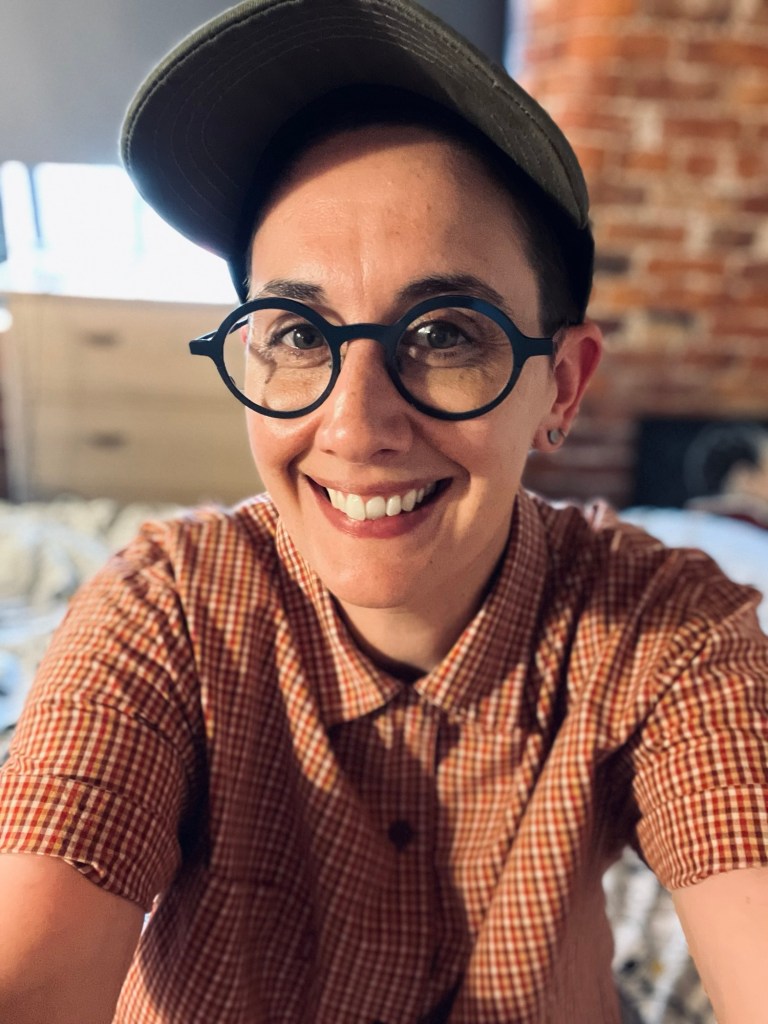


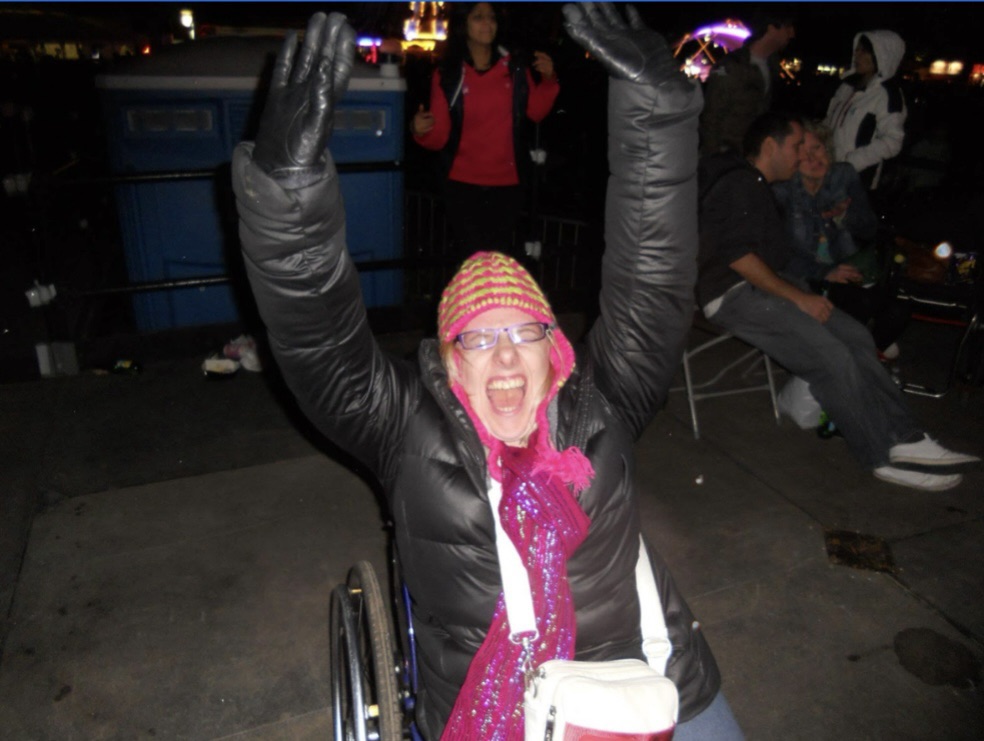
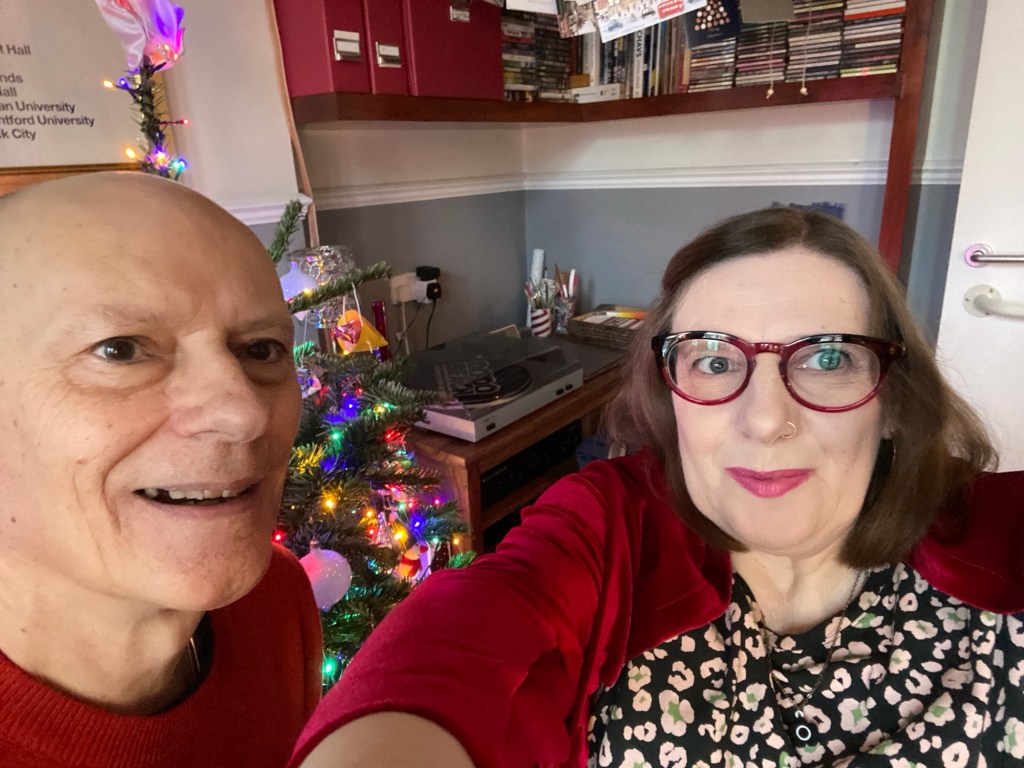
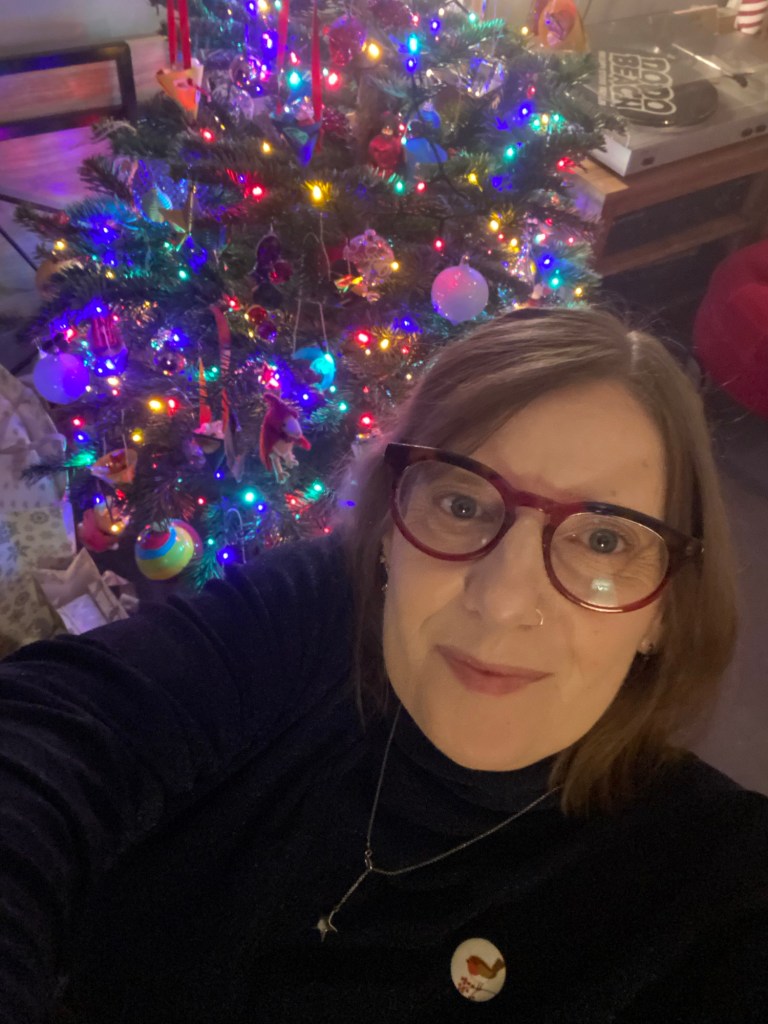

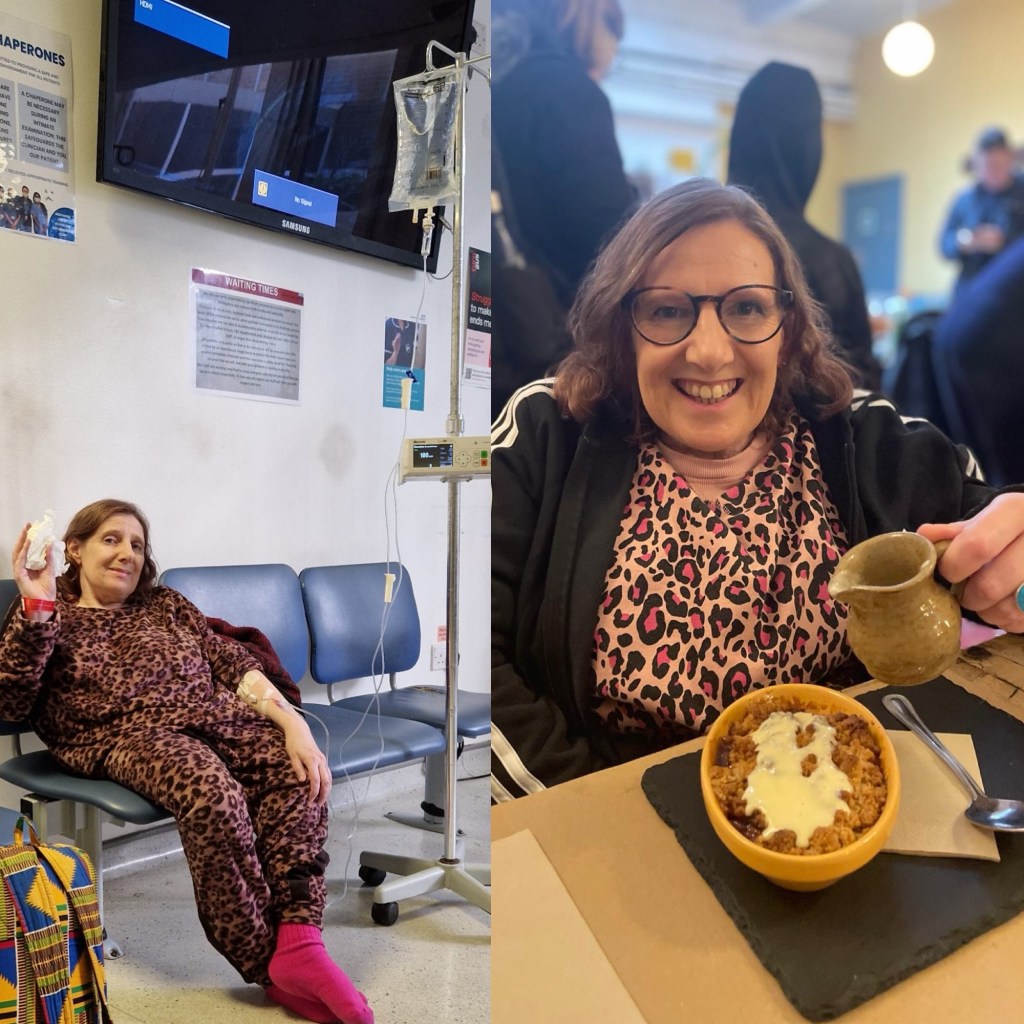

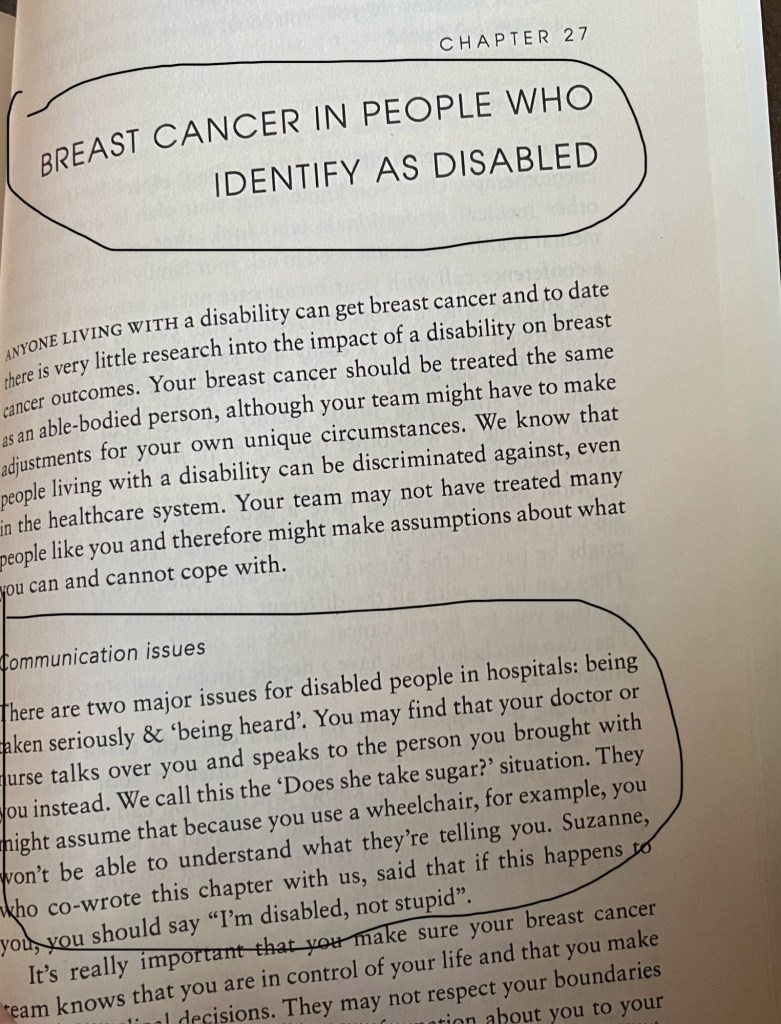


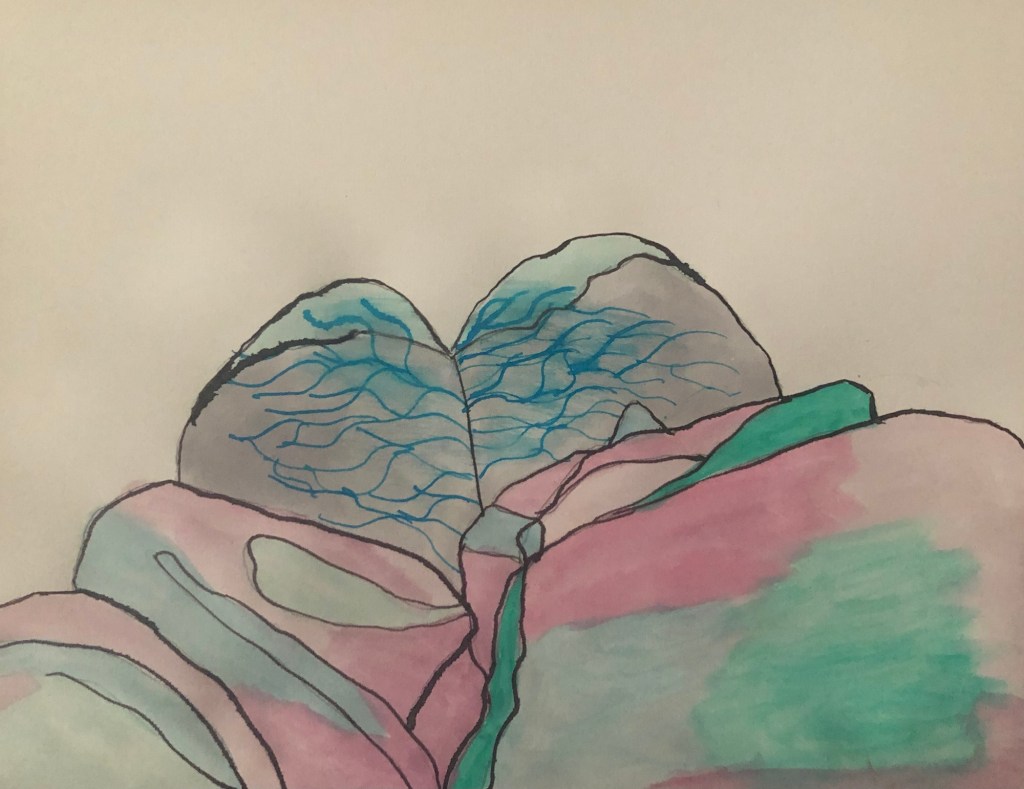

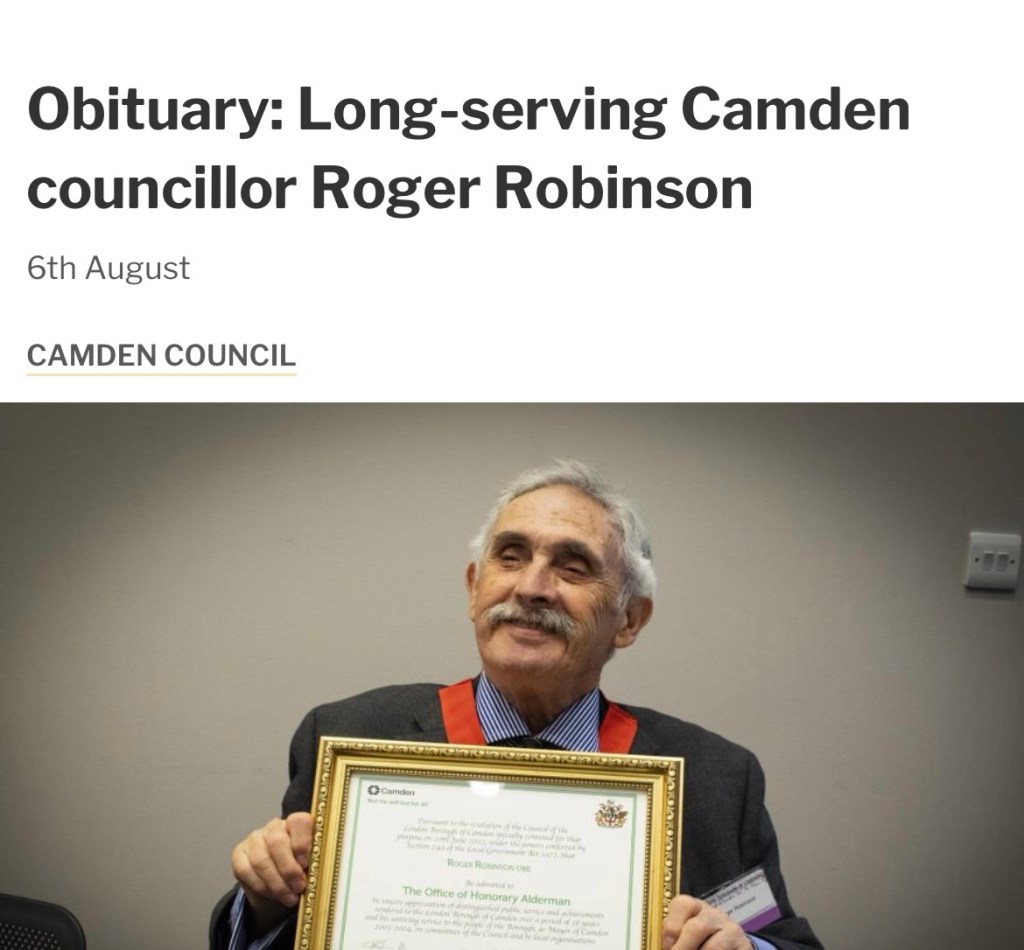
 The Musings of Spu